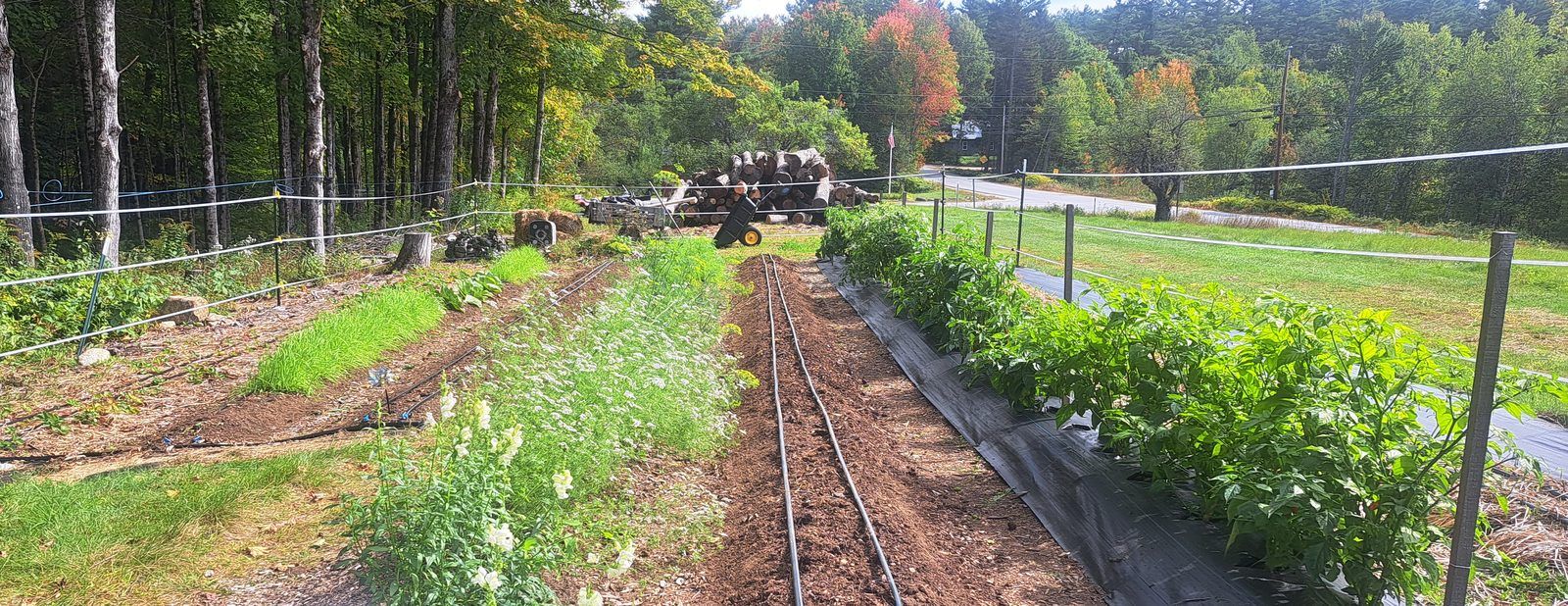
What you get
A plan built for your sun, soil and schedule.
Cover crops and compost build fertility, so you buy less fertilizer.
No tilling and mulched beds keep weeds down, and healthy soil holds water.
No guesswork, no wasted supplies.
Services
Help at every stage of a garden
Every site is different, so every plan starts with a visit. The principles stay the same: protect the soil, feed its biology, and let it do the work.
Garden consultations
A visit to walk your garden or field, take a soil sample for lab testing and talk through what you want to grow. You leave with a clear plan for this season and for building the soil over the next few.
Garden design
Layouts for new gardens or ones that need rethinking: the growing area, watering, what to plant where, and a rotation and soil-cover plan that fits your space and your time.
Garden setup
Hands-on help with as much of the build as you want: bed preparation, compost and mulch, irrigation, even first plantings.
Approach
Why it works
Healthy, living soil grows healthy food. Regenerative practices grow healthy, living soil.
- 1No-tillLeaving the soil unturned keeps its structure and fungal networks intact and leaves buried weed seeds where they can’t sprout, so the garden improves each year instead of starting over.
- 2Mulch and cover cropsSoil is never left bare. Mulch or a cover crop protects it, and cover crops add nitrogen and organic matter, so you buy less fertilizer and the soil soaks up water instead of losing it to runoff.
- 3Crop rotationMoving plant families from bed to bed breaks pest and disease cycles. It’s planned into your layout and scaled to your space.
Gallery
From our garden
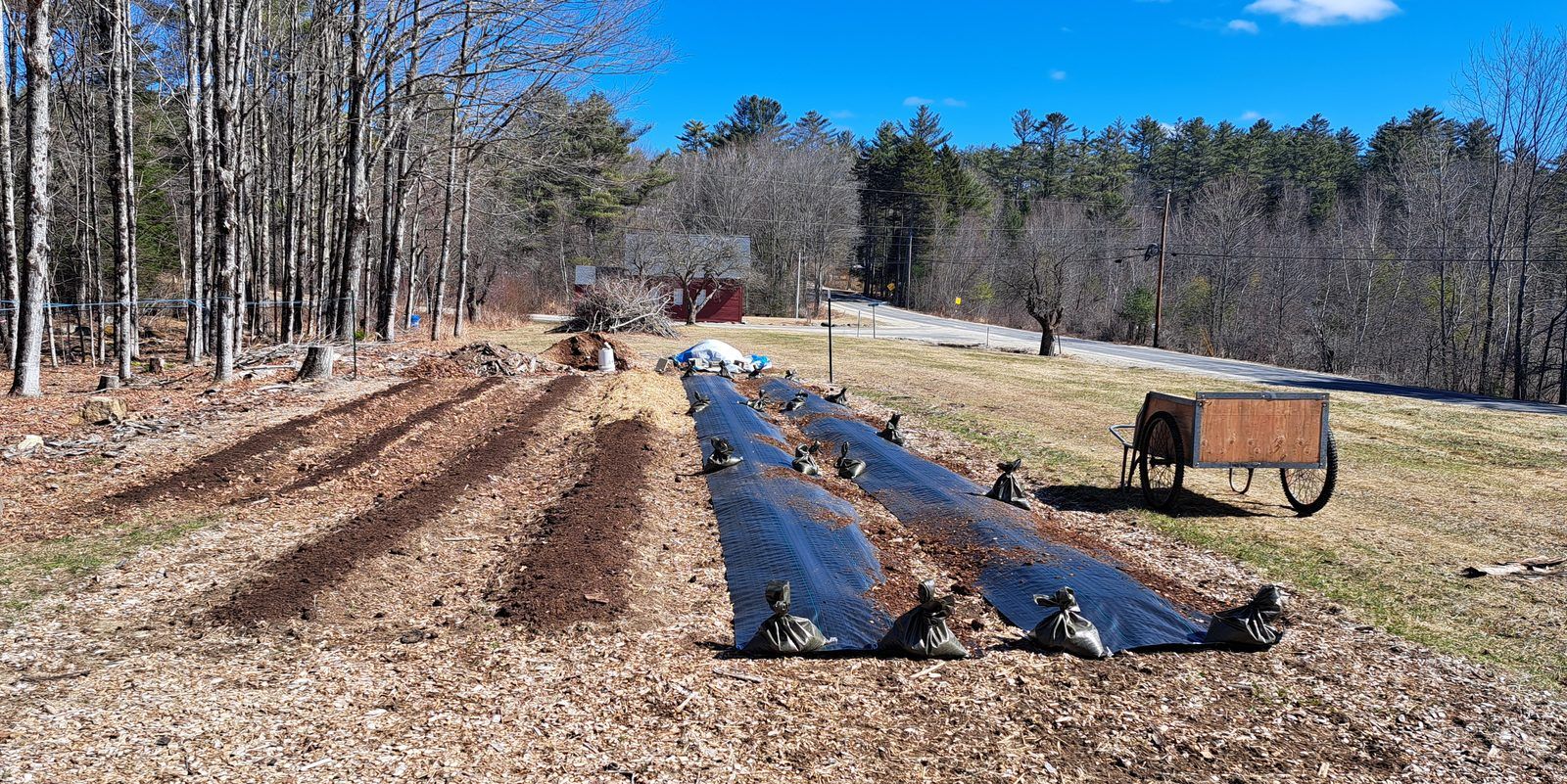
Grown in Danbury, NH. Tap any photo to see it larger.
Free garden reference charts
Companion planting, soil amendments, cover crops, pests and disease, and plant deficiencies, all searchable from your phone.
Contact
Let's talk about your garden
Call or email to set up a visit. Serving Central NH and the Upper Valley.